
News
HVAC Latest News and Updates
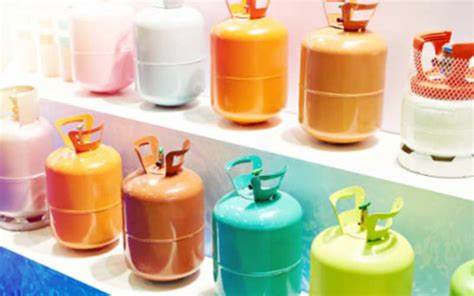
R410a Phase Out and New Refrigerant Standards in 2023
R410a Phase Out
The US Environmental Protection Agency (EPA) will begin the first part of the HFC phase out based on the American Innovation & Manufacturing (AIM) Act, which stipulates the transition from harmful hydrofluorocarbons to more environmentally friendly alternatives. As part of this stage, R410-a refrigerant will be phased out in new HVAC systems.
HFCs are recognized as greenhouse gasses that contribute to global warming. The Kigali Amendment to the Montreal Protocol aims to reduce HFC consumption by over 80% by 2047, in order to slow down the rise in global temperature by 0.5 °C before the end of the century.
In the US, the AIM Act authorized the EPA to set standards for the gradual phase out of HFC. The EPA released the first guideline for HFC production reduction in 2021 and will continue until 2036.
R410a replacement
R410-a will be replaced by A2L refrigerants, which are a class of refrigerants that have higher efficiency and lower GWP (Global Warming Potential). The two foremost R410a replacements are R-32 and R-454B.
R-32:
- Zero ozone depletion
- Possesses 1/3 the GWP of R410A (675 vs 2,020)
- Better energy efficiency
- High refrigeration capacity
- Improved thermal conductivity
- Less pressure drop
- Lower toxicity
- Easier to handle and recover
R454-B
- Even more efficient for heating than R32
- Requires 5-10% less refrigerant to service the same equipment compared to R410-a
- Lower GWP (465) compared to R32 and R410a
- Close operating pressures and temperature with R410-a, making transition easier
Other approved R410a replacements
In addition to these two refrigerants, the EPA’s SNAP Rule 32 identifies four more A2L refrigerants as approved alternatives to R410-A:
- R452B
- R454A
- R454C
- R457A
Note that these refrigerants are approved only for new self-contained and split-system air conditioners specifically designed for A2L refrigerants.
What is the Impact for Consumers?
Existing air conditioners cannot simply switch from R410-A to the new refrigerants. A2L refrigerants may only be used for new AC and HVAC units specifically built for them.
This means that consumers can continue to use their existing AC and HVAC units and not have to replace them, or replace the R410-A refrigerant that they use with A2L. However, the EPA has proposed banning the use of R410-A in new air conditioners and heat pumps by January 1, 2025.
As R410-a production gets gradually reduced and phased out, the refrigerant will likely become harder to find and get more expensive. Therefore, if you are installing a new AC or HVAC unit, or replacing your old system, we recommend future-proofing your investment by purchasing one that uses the newer A2L refrigerants.